 Bermuda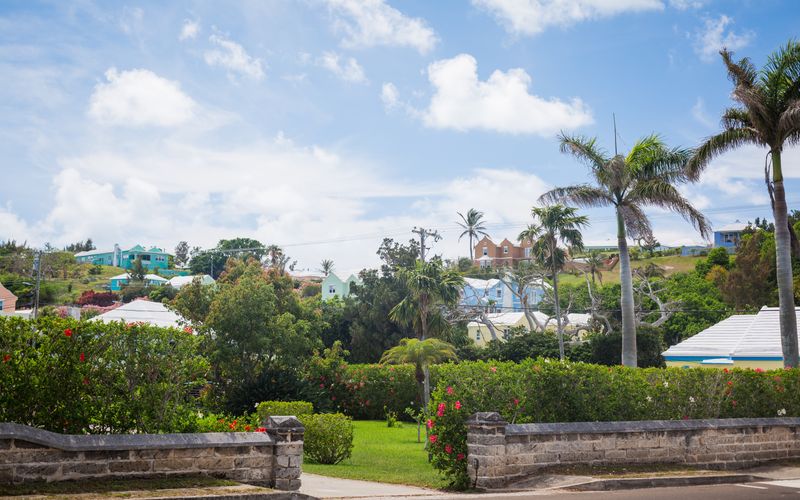
Fresh research has brought renewed attention to Bermuda's historical links to the transatlantic slave trade, uncovering connections that historians say deepen understanding of the island's colonial past.
The findings highlight how enslaved Africans were brought to Bermuda from the early seventeenth century onward, with many arriving via the Caribbean and the American colonies. Enslaved people on the island worked in agriculture, domestic service and the maritime trades, with Bermudian shipbuilding and seafaring closely intertwined with the wider Atlantic economy of the era.
Historians note that slavery in Bermuda persisted for nearly two centuries before Emancipation took effect on August 1, 1834, a date still commemorated annually during the Cup Match holiday. Researchers say the newly examined records, including shipping documents and colonial correspondence, help trace the movement of enslaved individuals and the island's role within broader trading networks.
Local heritage advocates have welcomed the research, saying it underscores the importance of preserving archives and expanding public education about this chapter of Bermuda's history. They argue that a fuller accounting of the past is essential to understanding the island's cultural identity today, and hope the findings will encourage further study and community engagement with historic sites linked to enslaved Bermudians.