 Bermuda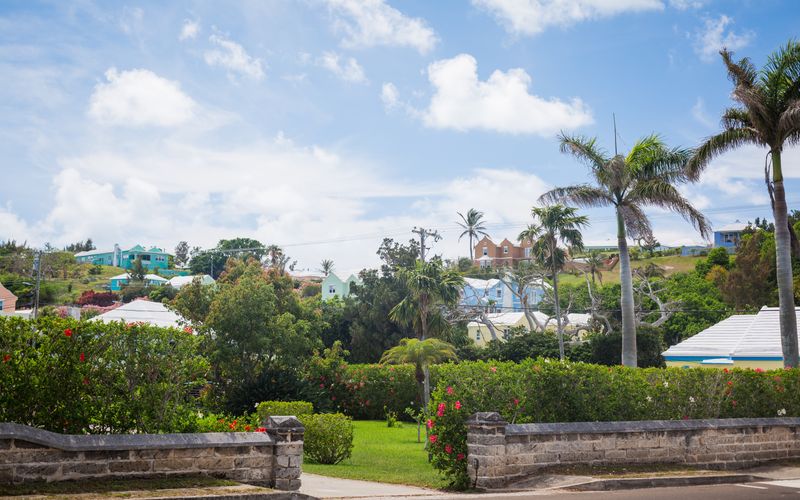
Climate-related risk remains insurable provided it can be accurately quantified, according to Karen Clark & Company, the catastrophe modelling firm whose views carry significant weight in Bermuda's re/insurance sector. The assessment comes as the island's insurers and reinsurers continue to grapple with mounting losses from hurricanes, floods and wildfires around the globe.
The firm's position underscores the central role of advanced catastrophe modelling in maintaining coverage availability. By drawing on detailed scientific data rather than relying solely on historical loss records, risk carriers can price exposure to severe weather events with greater confidence, even as climate patterns shift. That approach, the company argues, allows underwriters to keep writing business in regions that might otherwise be deemed too risky.
The message resonates strongly in Hamilton, home to one of the world's largest concentrations of reinsurance capital. Bermuda-based companies absorb a substantial share of global catastrophe losses, making credible risk quantification essential to the island's economic model. Industry observers note that improved modelling tools have already helped local carriers expand into new lines, including flood coverage in the United States.
Analysts say the findings could encourage Bermuda's market to continue investing in analytics and climate science expertise. With regulators and rating agencies increasingly focused on how carriers manage climate exposure, the ability to measure and price such risks precisely is likely to remain a competitive advantage for the island's re/insurance community in the years ahead.