 Bermuda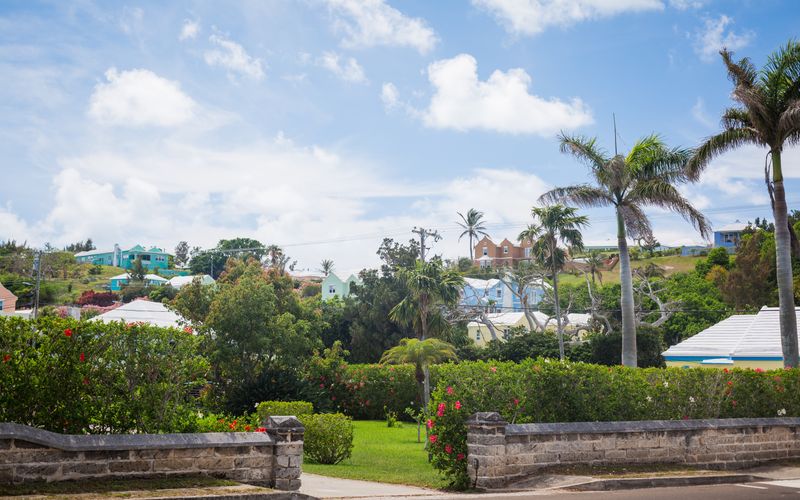
Hamilton's reinsurance sector is grappling with growing questions about the reliability of the catastrophe models that underpin billions of dollars in risk decisions, as industry voices warn that blind spots in the tools could leave insurers and reinsurers exposed to unexpected losses.
Catastrophe models, which simulate the likely cost of hurricanes, earthquakes and other disasters, have long been central to Bermuda's reinsurance market. The Island's companies rely on them to price policies, set capital reserves and manage their portfolios. But analysts note that the models are only as good as the data and assumptions fed into them, and recent loss events have highlighted areas where reality has diverged from projections. Climate change, shifting weather patterns and gaps in historical data for emerging perils such as wildfire and secondary flood are among the factors testing the models' accuracy.
Industry observers say model vendors and reinsurers are investing in more sophisticated analytics, including higher-resolution climate data and machine learning techniques, to close the gaps. Some Bermuda-based firms are also placing greater emphasis on their own internal research rather than relying solely on third-party models, a trend that has accelerated following costly surprises such as Hurricane Ian in 2022, where losses exceeded many expectations.
The discussion carries particular weight for Bermuda, home to one of the world's largest concentrations of reinsurance capital. Regulators at the Bermuda Monetary Authority have long required firms to demonstrate robust understanding of the models they use, and the debate over model limitations is expected to shape how companies approach pricing and capital adequacy in the years ahead. For an island whose economy is closely tied to the accurate pricing of disaster risk, getting the models right remains a matter of both commercial and national importance.