 Bermuda
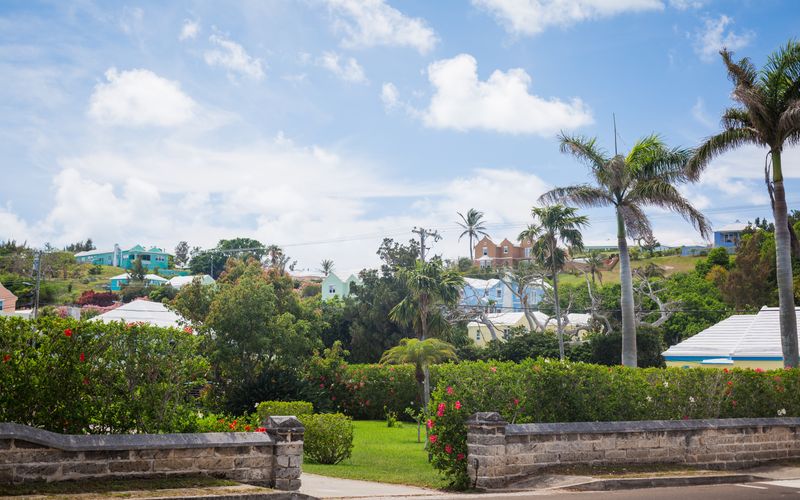
A new study suggests that safeguarding the Atlantic’s coastal habitats could enable the European eel to complete its remarkable life cycle, a development that may ripple across Bermuda’s own marine environment. The research, published in the journal *Nature Ecology & Evolution*, demonstrates that protecting critical spawning and nursery sites in the British Isles would allow eels to complete their long migration to the Sargasso Sea and back, a journey that has been halted for decades by overfishing and pollution.
While European eels do not routinely visit Bermuda, the island’s waters sit on a major Atlantic corridor that connects feeding grounds to the eels’ spawning grounds. Bermuda’s fishermen and conservationists have long championed the protection of local reef ecosystems, and the new findings reinforce the importance of maintaining healthy seafloor habitats for all Atlantic species.
"The health of the Atlantic’s marine corridors is vital for species that travel thousands of miles,” said Dr. Lila Thompson, a marine biologist at the Bermuda Institute of Marine Studies. "By reducing pollution and restoring coastal habitats, we can help create a safer journey for eels and other migratory fish that benefit local fisheries and tourism.
The study calls for coordinated trans‑Atlantic action, including stricter fishing regulations and the expansion of marine protected areas. For Bermuda, the message is clear: protecting the island’s marine environment not only preserves local biodiversity but also supports the broader health of the Atlantic ecosystem.
With both the local and global marine communities taking notice, Bermuda’s stewardship of its waters may become a model for international conservation efforts aimed at reviving one of the world’s most enigmatic fish species.