 Bermuda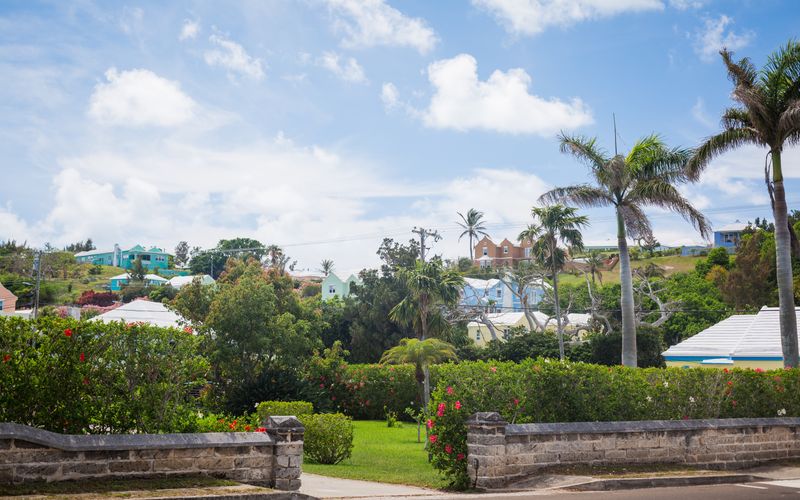
The Bermuda petrel, locally known as the cahow, has a dramatic story of survival that underscores the island’s commitment to wildlife conservation. First introduced to the archipelago in the 1600s, the bird’s native population was nearly wiped out by predators such as rats, cats and feral goats that were brought by early settlers. By the mid‑20th century, the species was so depleted that in 1951, a small group of researchers announced they had found only eighteen breeding pairs on a few of the island’s coves.
Since that pivotal discovery, a coordinated effort by the Bermuda Bird Board, the National Parks Trust, and the local community has transformed the cahow’s prospects. Intensive predator control, habitat restoration and public education campaigns have created a safer breeding environment. As a result, the number of breeding pairs has grown steadily, reaching 165 pairs in 2024—a striking improvement that puts the species firmly in the “least concern” category on Bermuda’s Red List.
The resurgence of the petrel is more than a biological success; it is a source of pride for Bermudians and a reminder of the island’s capacity to reverse ecological damage. The bird’s return has also boosted eco‑tourism, with guided night‑time colony visits attracting visitors curious to witness the cahow’s quiet, nocturnal flights. Continued monitoring and community involvement remain essential to ensuring that Bermuda’s cherished seabird not only survives but thrives for generations to come.