 Bermuda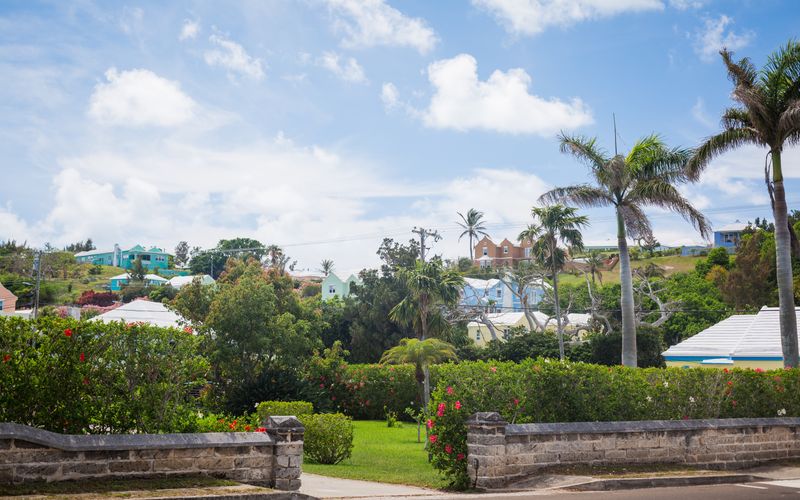
A recent count by the Department of Roads and Transportation revealed that more than 50,000 vehicles are now registered in Bermuda, a figure that dwarfs the island’s 60,000‑person population. The statistic highlights the extent of personal transport on the archipelago’s 54 square miles of land.
The high vehicle density has implications for traffic flow and parking. Because Bermuda’s streets are narrow and many are one‑way, congestion tends to peak in the summer months when tourist arrivals swell the vehicle count. Local councils are facing growing pressure to improve traffic management, expand parking facilities, and explore alternative transport solutions such as expanded bus services, bike‑share programs, and electric‑vehicle charging infrastructure.
The majority of the registered vehicles are passenger cars, but the list also includes vans, delivery trucks, and marine‑related vehicles such as powerboats that are registered on land. Import taxes and the cost of fuel have contributed to a market that favours compact, fuel‑efficient models, yet the trend toward electric mobility is gaining traction as the government announces incentives for green vehicles.
Officials say the data will inform future infrastructure planning, including road widening projects and the establishment of low‑emission zones. As Bermuda balances its historic charm with modern mobility needs, the 50,000‑vehicle figure serves as a key metric for the island’s transportation strategy moving forward.