 Bermuda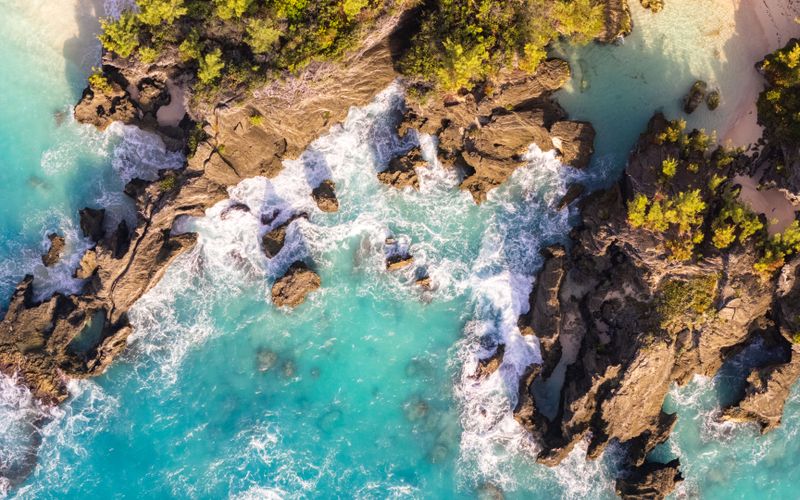
Recent climate research indicates that global warming is changing the way the El Niño phenomenon behaves, with implications for islands in the Atlantic such as Bermuda. Studies show that the warming of the Pacific Ocean is shortening the typical 2‑to‑7‑year El Niño cycle and making its associated rainfall patterns less predictable. The result is a higher likelihood of more intense, yet irregular, weather events.
For Bermuda, this shift could mean a greater chance of prolonged periods of wet weather during the spring and early summer months, which may affect tourism schedules and local agriculture. Fisheries observers have already noted a slight uptick in the frequency of storms that push tropical fish farther from the reef, altering the catch patterns for local fishermen. Moreover, the increased variability in precipitation could challenge the island’s water‑storage infrastructure, especially during the dry season.
Local officials and scientists are monitoring the situation closely. The Bermuda Meteorological Service has updated its seasonal outlooks to incorporate the new El Niño projections, and the Department of Environment is reviewing coastal resilience plans. While the exact timing of El Niño events remains uncertain, the consensus is that the island’s residents and businesses need to prepare for a more volatile climate in the coming years.